A City of Layers
London is immense, sprawling, and complex. It is a city defined as much by its hyper-modern financial districts as by its medieval alleyways. Because of its scale, tourists often gravitate toward the highly centralized, heavily marketed entertainment zones. Unfortunately, these areas represent the least authentic version of the city, characterized by steep entry fees, generic global branding, and a distinct lack of local Londoners. True exploration here requires digging into specific boroughs and seeking out the institutions that have operated quietly for centuries.
The Tourist Trap: Madame Tussauds and Leicester Square
The West End features several dense clusters of tourist activity, with Madame Tussauds and the immediate vicinity of Leicester Square standing out as prominent traps. Visitors routinely pay premium ticket prices—often exceeding £35—to view wax facsimiles of celebrities they could simply view on their phones. The experience is highly commercialized, entirely static, and offers zero insight into British culture or history.
Similarly, Leicester Square is heavily promoted as an entertainment hub, yet it functions primarily as a transit point for large crowds moving between overpriced chain restaurants and souvenir shops selling mass-produced trinkets. It lacks the charm and architectural significance found just a few streets away, serving more as a vortex for tourist spending than a place of cultural value.
The Hidden Gem: Sir John Soane's Museum
For an authentic, idiosyncratic, and profoundly memorable London experience, head to Lincoln's Inn Fields and enter Sir John Soane's Museum. The former home of the eccentric 19th-century neoclassical architect, this museum has been preserved exactly as he left it upon his death in 1837. Best of all, entry is completely free.
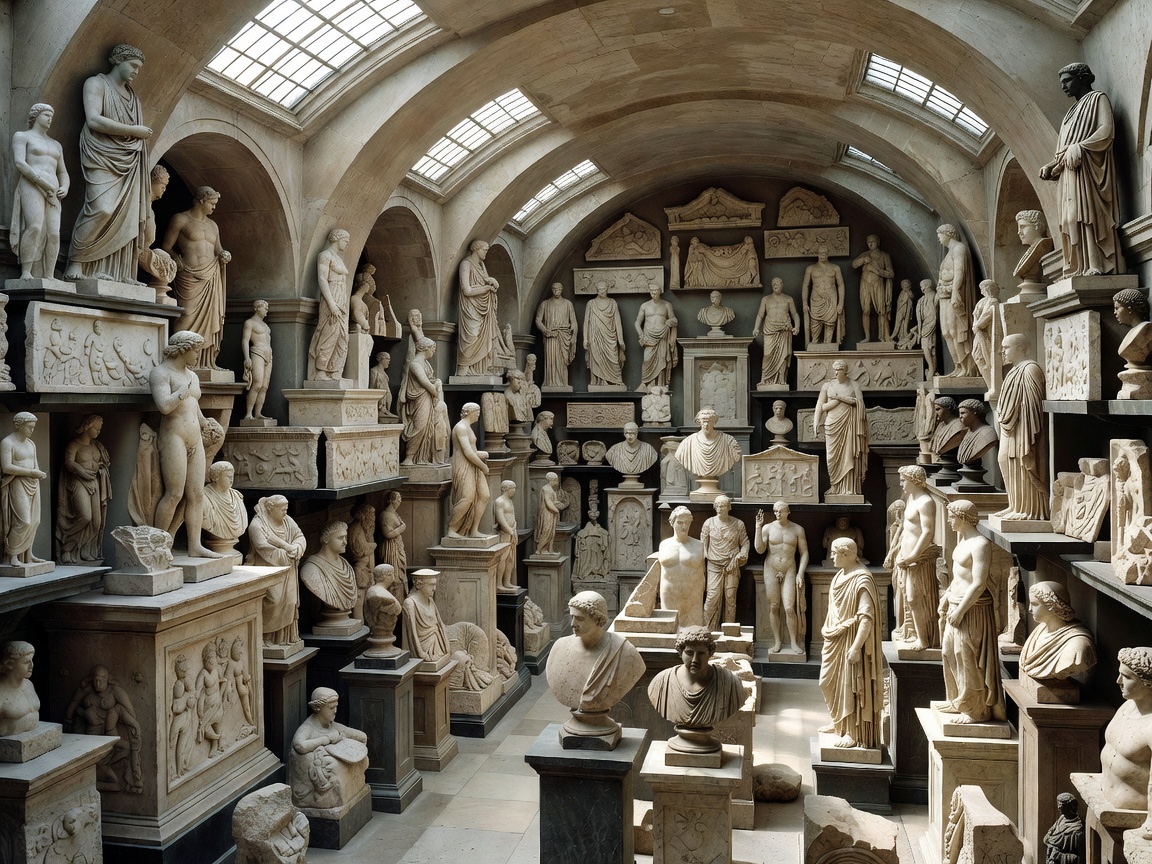
The house is a labyrinth of architectural experiments, hidden panels, and skylights designed to manipulate natural light. It is packed floor-to-ceiling with an astonishing collection of antiquities, sculptures, architectural models, and paintings—including an original Egyptian sarcophagus in the basement. It is atmospheric, bizarre, and utterly fascinating, offering a direct view into the mind of a Victorian obsessive.
The Tourist Trap: The London Eye
Since its construction for the millennium, the London Eye has dominated the South Bank skyline. While it does offer good views of Parliament and the Thames, the experience comes at a steep cost, both in terms of money and time. Standard tickets are expensive, and visitors often wait in long, slow-moving queues along the riverbank only to spend 30 minutes in a crowded glass pod. It is a one-time novelty that consumes a significant portion of a travel budget and itinerary.
The Hidden Gem: Primrose Hill or the Sky Garden
London is uniquely blessed with excellent, entirely free viewpoints. For a spectacular urban panorama without the entry fee, ascend to the Sky Garden, located at the top of the "Walkie Talkie" building in the City of London. While you must book free tickets in advance, the spacious, multi-level indoor garden offers uninhibited views of the Shard, the Tower of London, and the Thames, combined with the space to actually walk around and relax.
For a more natural perspective, head to North London and climb Primrose Hill in Regent's Park. Standing at the summit provides a sweeping, protected view of the entire central London skyline, framed by mature trees. It is a favorite spot for locals to bring a picnic or a coffee, offering a peaceful, community-focused atmosphere that starkly contrasts the commercialized churn of the South Bank.
Practical Considerations & Verdict
London is one of the most expensive cities in the world, making the avoidance of tourist traps vital for budget management. The city's greatest asset is that the vast majority of its world-class permanent museum collections—including the British Museum, the V&A, the Tate Modern, and the National Gallery—are entirely free to enter. By avoiding fabricated, ticketed entertainment venues and focusing on the rich tapestry of free museums, historic neighborhoods, and Royal Parks, you experience a much more authentic, culturally rewarding, and financially sustainable London.