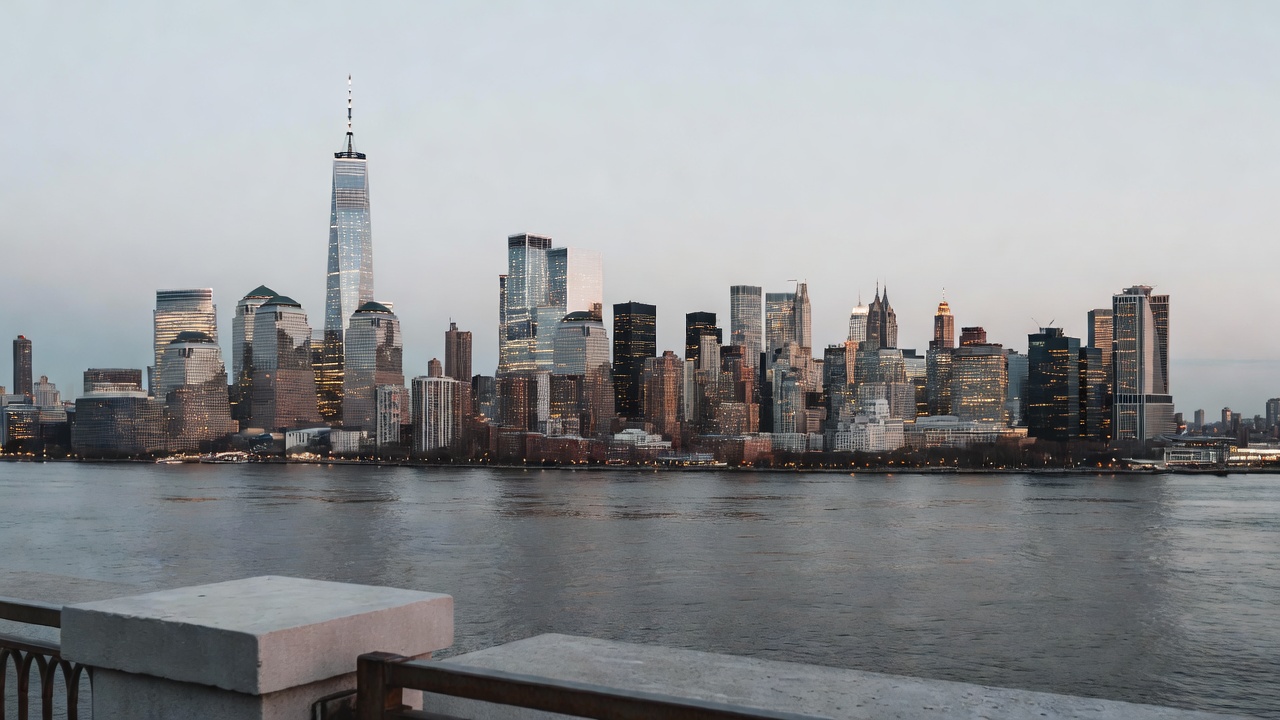
The Myth of the Center
New York City projects an image of constant, frenetic energy. While that energy is very real, the areas specifically designed to capitalize on it—mostly clustered in Midtown Manhattan—often cross the line from exciting to exhausting. Visitors are frequently drawn to the brightest lights and the tallest towers, paying a premium to stand in crowded spaces that actual residents actively avoid. The true magic of New York is found in its distinct, localized neighborhoods and the unique infrastructure that quietly serves the city.
The Tourist Trap: Times Square
Times Square is perhaps the ultimate global tourist trap. It is a visually overwhelming canyon of massive digital billboards, costumed characters demanding tips for photos, and oversized retail flagship stores. The pedestrian plazas are perpetually gridlocked, making simple walking a difficult chore.
Dining in the immediate area is notably overpriced and dominated by national chains rather than the independent culinary innovation New York is famous for. While taking a quick photograph of the neon spectacle at night is understandable, spending significant time or money in the area yields a highly artificial experience completely divorced from the reality of living in New York.
The Hidden Gem: The West Village
To experience the historic, human-scale charm of Manhattan, travel south to the West Village. This neighborhood abandons the strict grid system of the rest of the island, featuring angled, tree-lined streets bordered by beautifully preserved 19th-century brownstones.
The area is quiet, highly walkable, and packed with independent bookstores, historic jazz clubs, and exceptional small-scale restaurants and bakeries. Walking through the West Village offers a glimpse into the bohemian history of the city and provides a relaxed, authentic atmosphere that stands in total opposition to the aggressive commercialism of Midtown.
The Tourist Trap: The Empire State Building Observation Deck
The Empire State Building is an Art Deco masterpiece and a crucial piece of the skyline. However, paying the steep entry fee to ascend to its observation deck presents several problems. Firstly, the queues can take hours to navigate. Secondly, once you reach the top, the viewing areas are constrained by high metal fencing. Most importantly, when you are standing on the Empire State Building, you cannot see the Empire State Building—the most iconic element of the New York skyline is missing from your photographs.
The Hidden Gem: Top of the Rock & The Roosevelt Island Tram
For a superior traditional observation deck, the Top of the Rock at Rockefeller Center offers wider, glass-paneled viewing terraces and, crucially, a spectacular, unobstructed view of the Empire State Building sitting squarely in the middle of the skyline.
For an even more unique and vastly cheaper aerial experience, take the Roosevelt Island Tramway. For the exact cost of a standard subway swipe (less than $3), this commuter cable car lifts you high above the East River, running parallel to the Queensboro Bridge. It provides stunning, sweeping views of the Midtown skyline and the river below, offering a thrilling ride that feels entirely separate from the standard tourist circuit.
Practical Considerations & Verdict
New York rewards those who treat it as a collection of villages rather than a single monolithic downtown block. Instead of paying premium prices for generic entertainment in congested corridors, allocate your budget toward the city's incredible culinary scene, off-Broadway theater, or exploring the distinct cultures of boroughs like Brooklyn and Queens. Escaping the gravitational pull of Times Square and standard Midtown attractions is the first and most crucial step in experiencing the true depth of New York City.