The Weight of History
Rome is an open-air museum, a city where nearly three millennia of continuous human habitation are visible in the stratified layers of architecture. Because its history is so dense and globally recognized, it draws millions of visitors intent on seeing the pillars of Western civilization. However, the geography of Rome’s historic center is compact, resulting in intense bottlenecks around famous monuments. Standing in the blistering summer heat while squeezed into massive tour groups is the unfortunate reality for many who fail to seek out alternatives.
The Tourist Trap: The Vatican Museums & Sistine Chapel
The art housed within the Vatican Museums is undeniably among the greatest in human history. Yet, the visitor experience often borders on the unbearable. The Vatican complex funnels thousands of people per day through a rigid, one-way system of narrow corridors. Visitors are constantly ushered forward by guards, leaving little to no time to actually appreciate the art on the walls.
The culmination of this march is the Sistine Chapel, which, rather than being a place of quiet reverence, is typically packed to absolute capacity. The ambient noise level is high, and guards continuously shout for silence and prohibit photography. The sheer volume of people transforms what should be a transcendent artistic encounter into an exercise in endurance and claustrophobia.
The Hidden Gem: Galleria Doria Pamphilj
If you desire to view breathtaking Renaissance and Baroque art in a spectacular setting without the overwhelming crowds, the Galleria Doria Pamphilj is a revelation. Located right on the bustling Via del Corso, this massive private palace hides in plain sight. It remains the residence of the Doria Pamphilj family, and its public galleries are opulent beyond measure.
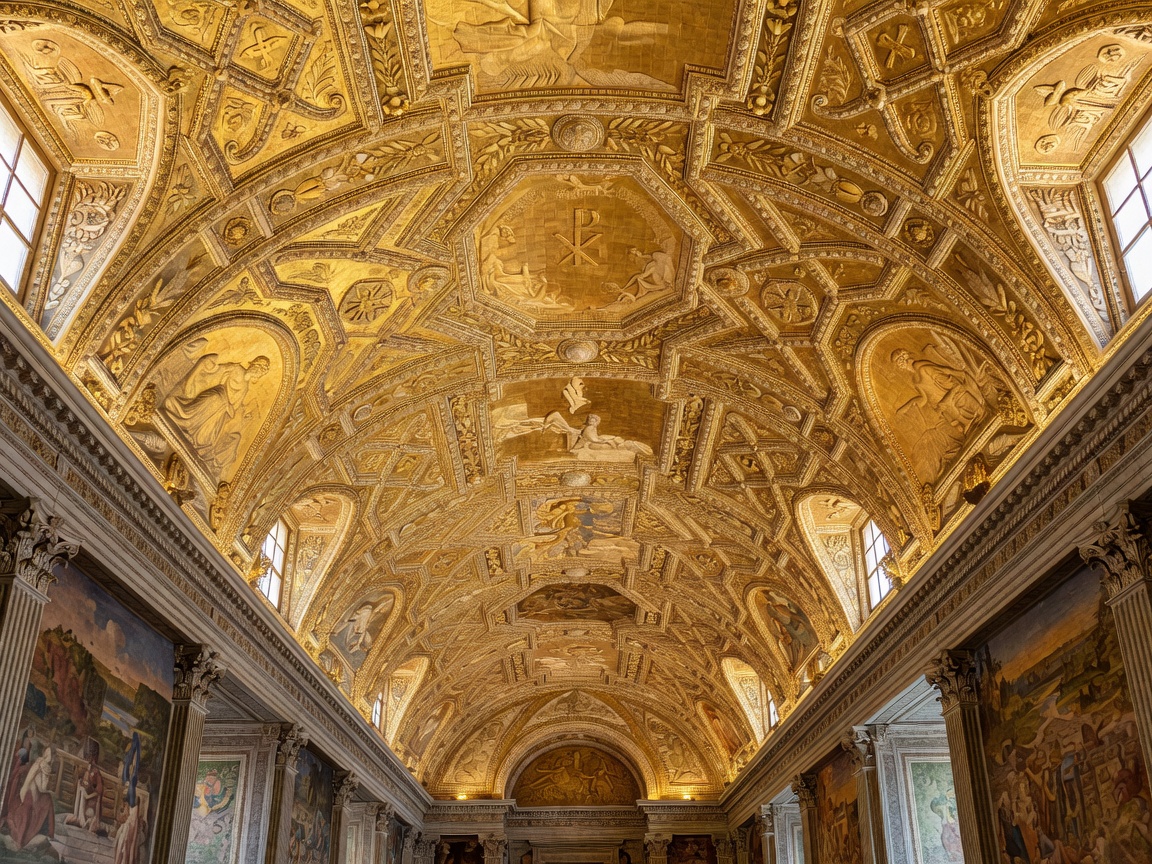
Here, you can stroll freely across mirror-polished floors beneath soaring, frescoed ceilings, viewing masterpieces by Caravaggio, Titian, and Velázquez. Because it is privately run and slightly off the primary tourist radar, you can frequently have entire gilded halls to yourself. The included audio guide, narrated by a family descendant, adds a highly personal, intimate layer to the history that mega-museums cannot replicate.
The Tourist Trap: The Trevi Fountain at Midday
The Trevi Fountain is a masterpiece of Baroque sculpture, but its location in a small, sunken piazza makes it an epicenter for overcrowding. Visiting during the day means wading through dense layers of tourists wielding selfie sticks, fending off aggressive rose sellers, and shouting to be heard over the noise. The romantic notion of tossing a coin over your shoulder into the waters is heavily compromised by the chaotic, theme-park atmosphere that dominates the square for most of the day.
The Hidden Gem: Fontana dell'Acqua Paola
For a monumental fountain experience that retains its grandeur and romance, cross the river and ascend the Janiculum Hill (Gianicolo) to the Fontana dell'Acqua Paola, locally known as Il Fontanone (The Big Fountain). Built in the early 17th century, it actually served as a major architectural inspiration for the Trevi Fountain.
Constructed from white marble and granite salvaged from the ancient Temple of Minerva, it features massive arches through which water cascades into a vast semicircular basin. Not only is the fountain spectacular and largely devoid of the massive crowds found across the river, but the sweeping panoramic views of the entire Roman skyline from the terrace opposite the fountain are among the best in the city.
Practical Considerations & Verdict
Rome requires strategic planning. If you must visit the blockbuster sites like the Colosseum or the Vatican, booking specialized early-morning or after-hours access is the only way to mitigate the crowds. However, building an itinerary around Rome's secondary sites—which in any other city would be the primary attractions—yields a much richer trip. Embracing the Galleria Doria Pamphilj, the Baths of Caracalla, or the quiet streets of the Celian Hill allows you to experience the awe of antiquity without the modern anxiety.