Navigating the Megacity
Tokyo is staggeringly large and operates at a pace that can be intensely disorienting for newcomers. The juxtaposition of hyper-modern neon districts against quiet, ancient shrines is the city's defining characteristic. However, social media and popular culture often funnel visitors exclusively toward the loudest, brightest, and most crowded sectors of the city. While these areas offer an undeniable spectacle, they do not represent the entirety, or even the majority, of daily life in Tokyo. Finding balance requires stepping off the main transit arteries.
The Tourist Trap: Takeshita Street, Harajuku
Harajuku is world-famous as the epicenter of Japanese youth culture and extreme street fashion. Specifically, Takeshita Street (Takeshita-dori) is the narrow pedestrian lane that serves as the neighborhood's focal point. Today, however, it is less an incubator for avant-garde fashion and more a highly congested corridor aimed squarely at foreign tourists and young teenagers.
The street is often so packed that walking is reduced to a slow, involuntary shuffle. The shops primarily sell mass-produced souvenirs, cheap fast fashion, and oversized sugary snacks engineered for Instagram rather than quality. The authentic, rebellious fashion culture that made Harajuku famous has largely migrated to the quieter backstreets (Ura-Harajuku) or to other neighborhoods entirely, leaving Takeshita Street as a sanitized, commercialized trap.
The Hidden Gem: Yanaka Ginza
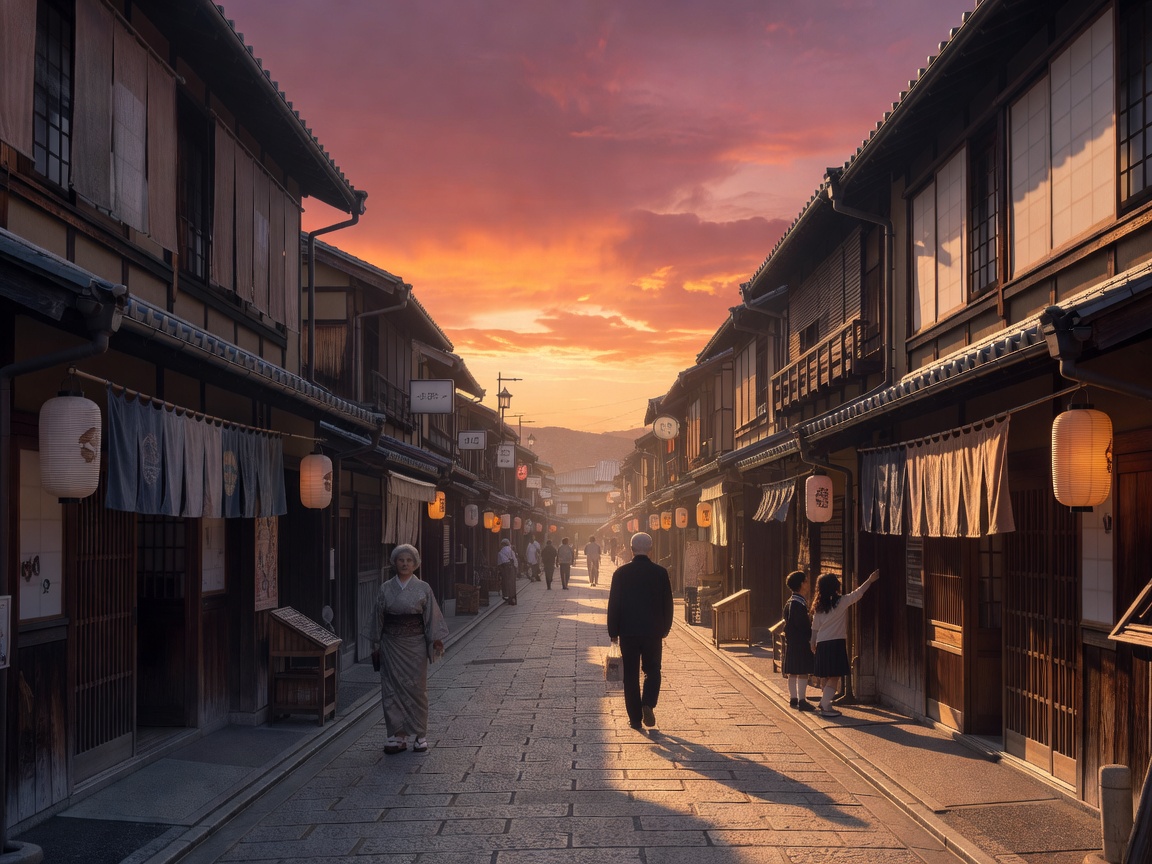
To experience the atmosphere of a traditional Tokyo shopping street—known as a shotengai—head to the Yanaka neighborhood. Yanaka miraculously survived the bombings of World War II and retains a nostalgic, mid-20th century atmosphere, often referred to as shitamachi (old town) vibe.
Yanaka Ginza is a short, charming pedestrian street lined with independent vendors selling fresh produce, traditional sweets, ceramics, and exceptional street food like menchi katsu (minced meat cutlets). The pace is slow, the shopkeepers are local, and the area is completely devoid of neon glare. It offers a genuine connection to Tokyo's history and everyday community life, providing a peaceful antidote to the sensory overload of the major commercial wards.
The Tourist Trap: Themed Cafes (Animal and Pop Culture)
Tokyo is famous for its themed cafes, ranging from owls and hedgehogs to vampires and ninjas. These establishments are heavily promoted in tourist literature, but they often yield disappointing experiences. The food and drink are usually an afterthought, severely overpriced and of poor quality, as you are essentially paying an entry fee for the novelty.
Furthermore, animal cafes frequently raise significant ethical concerns regarding the welfare, housing, and stress levels of the animals kept in loud, brightly lit environments to be constantly handled by strangers. The novelty wears off quickly, leaving visitors with a steep bill for a questionable experience.
The Hidden Gem: Kissaten Culture in Jimbocho
Instead of seeking out gimmicks, engage with Tokyo's authentic, historic coffee culture by visiting a kissaten—a traditional Japanese coffee house. The neighborhood of Jimbocho, famous as Tokyo's book district, is filled with these establishments.
A good kissaten is defined by its dark wood interiors, jazz music played softly on high-end analog sound systems, and meticulously hand-drip coffee served in fine porcelain cups. They are quiet, atmospheric sanctuaries designed for reading, solitary thought, and appreciating the craft of coffee. It is a profoundly relaxing and deeply rooted cultural experience that prioritizes quality and atmosphere over quick, flashy entertainment.
Practical Considerations & Verdict
Tokyo’s vast transit system means you are rarely more than a 15-minute train ride away from a completely different atmosphere. While visiting Shibuya Crossing or Shinjuku at night provides the mandatory cyberpunk aesthetic many desire, balancing those intense experiences with visits to older, quieter districts is essential. By exploring areas like Yanaka, Kagurazaka, or Jimbocho, you discover the nuanced, resilient, and deeply traditional culture that forms the true foundation of Tokyo.